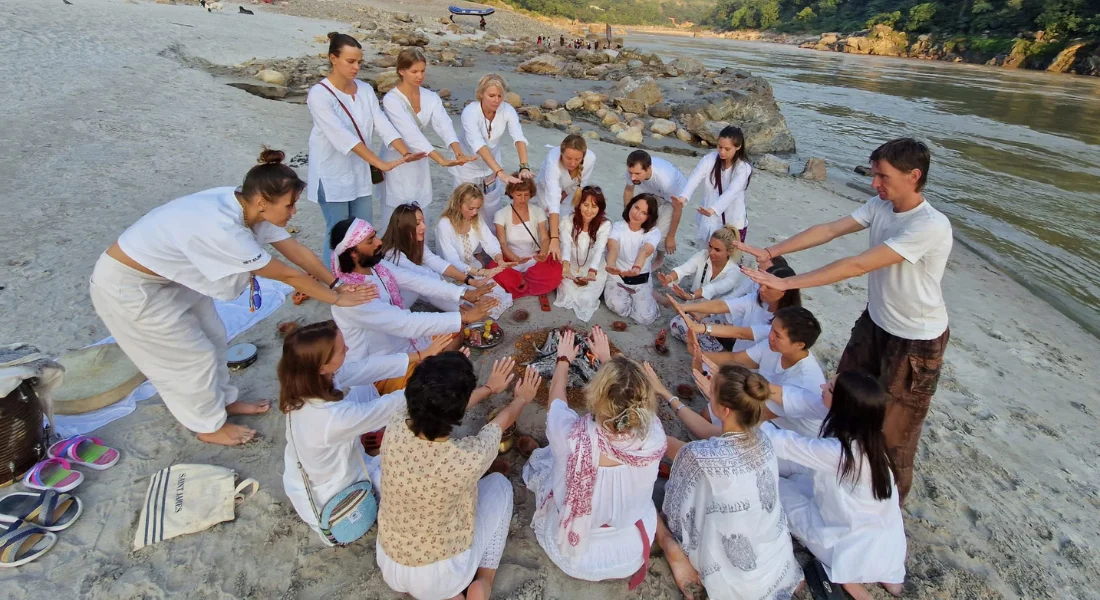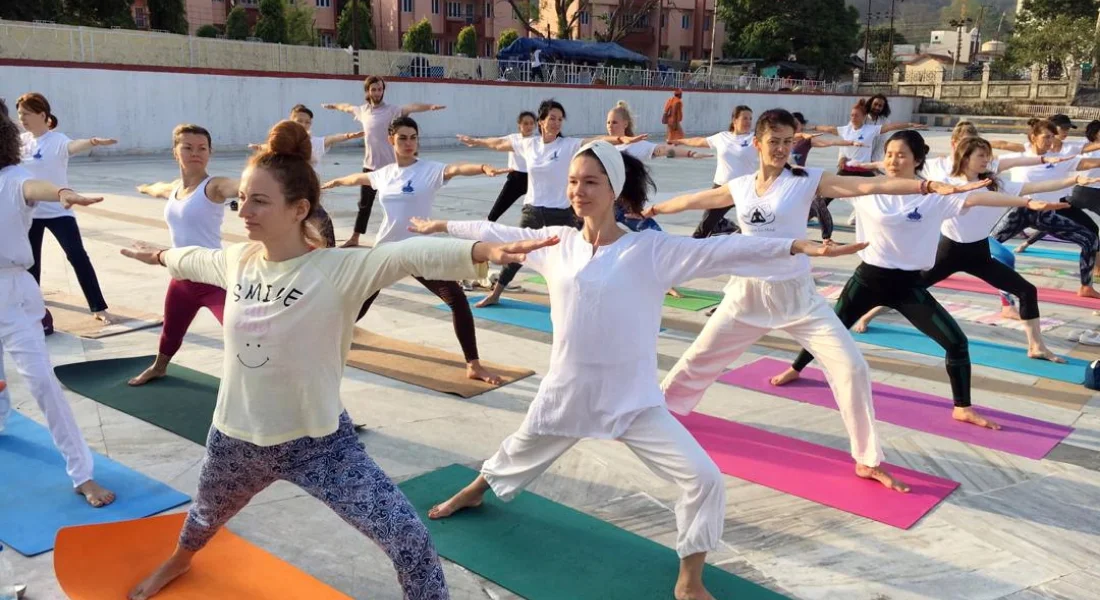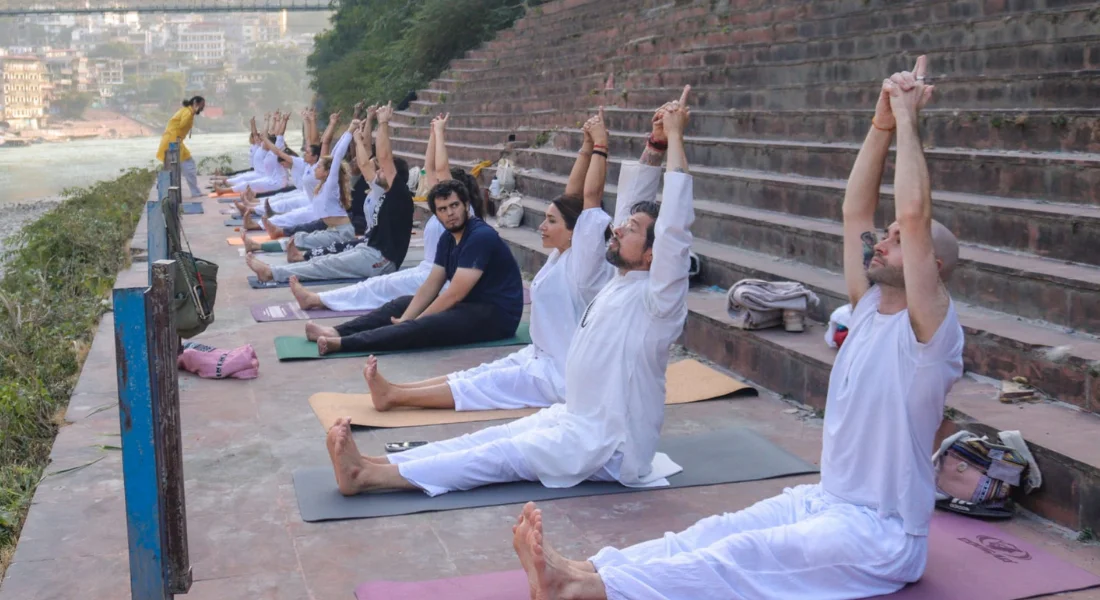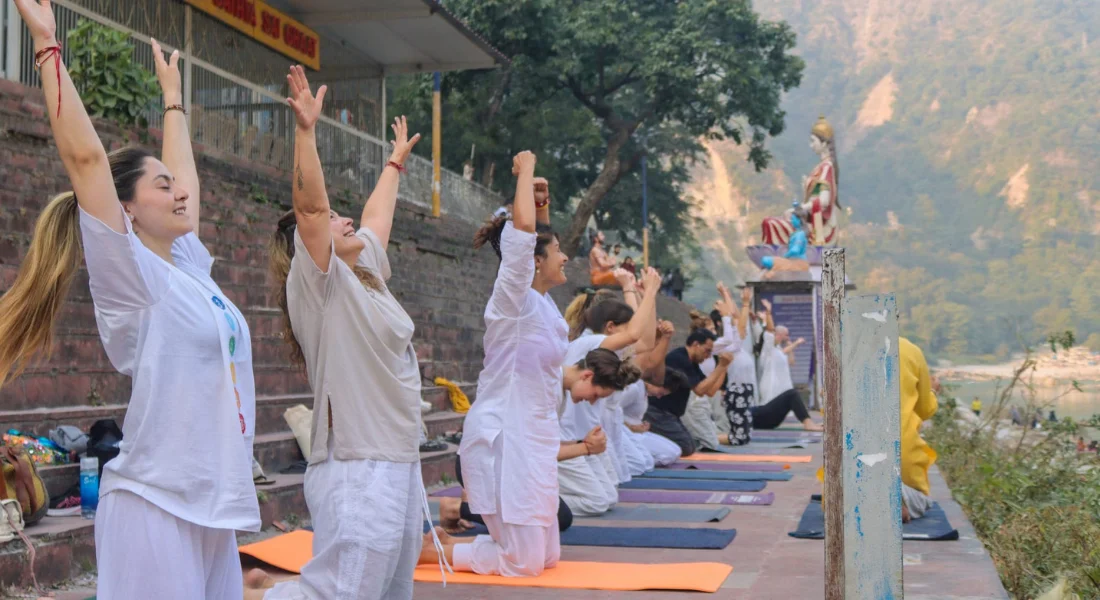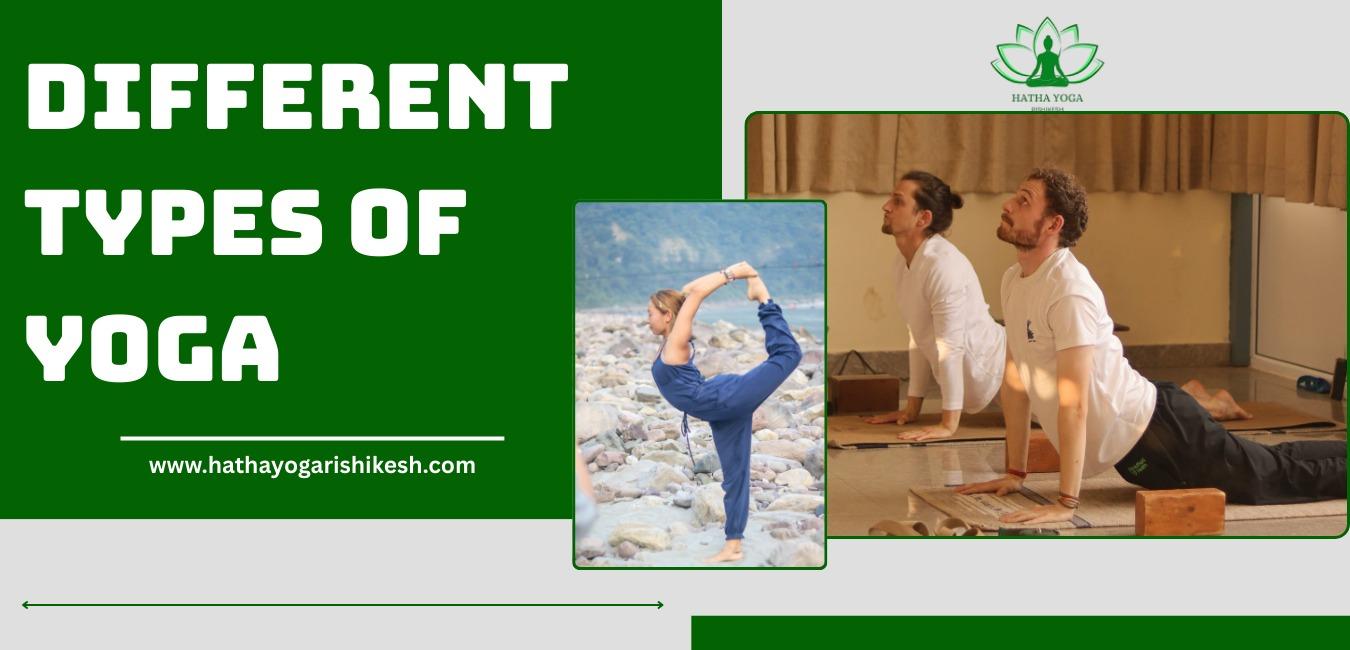
Today, yoga is primarily considered as a form of physical exercise. But,traditional yoga is a whole system for self-mastery, inner growth and spiritual awakening. If you ever asked yourself how many different types of yoga there are and why they exist, well, the explanation goes well beyond stretching and flexibility.
Table of Contents
- 1. Raja Yoga – The Path of Mental Mastery
- 2. Karma Yoga – The Path of Selfless Action
- 3. Bhakti Yoga – The Path of Devotion
- 4. Jnana Yoga – The Path of Knowledge
- 5. Kundalini Yoga – The Path of Energy Awakening
- 6. Ashtanga Yoga – Structured Discipline
- 7. Yin Yoga – Stillness and Deep Release
- Understanding Types of Yoga Asanas
- Final Thoughts
- Frequently Asked Question
- 1. How many types of yoga are there?
- 2. What are the main forms of yoga in traditional practice?
- 3. What are the different types of yoga poses?
- 4. What is the aim of various styles of yoga?
- 5. Do all forms of yoga focus on physical exercise?
- 6. What type of yoga should I do if I'm a beginner?
- 7. Why are there so many varieties of yoga today?
- 8. Difference between types of yoga and types of yoga asanas?
- 9. Am I allowed to do more than one type of yoga?
- 10. How do I pick the best type of yoga for me?
- Start Your Yoga Journey
In ancient India, yoga developed as the science of right living, transforming body, prana, mind and consciousness. Through the ages, sages and masters conceived several kinds of yoga and recommended accordingly to different types of people, with differing goals, and at different stages of life. Some are paths of physical vigor, some of love, some of contemplation, and some of work. They are all essential, but each has its own purpose, and all are oriented towards balance and self-realization.
In this manual we will learn about the most important types of yoga, their meaning in traditional practice and application and how they serve modern yoga practitioners in their daily life.
1. Raja Yoga – The Path of Mental Mastery
Raja Yoga is sometimes referred to as the “royal path” owing to its emphasis on the mind. It is based on the teachings of the sage Patanjali, who wrote Patañjali Yoga Sūtras, which details the eight limbs of yoga.
These eight limbs include:
- Ethical discipline
- Personal observances
- Postures
- Breath control
- Withdrawal of senses
- Concentration
- Meditation
- Samadhi (deep absorption)
Objective in Traditional Practice:
Raja Yoga prepares the practitioner to still the modifications of the mind. The yogi becomes a witness to thoughts and emotions rather than reacting to them. The end result is lucidity and a calm mind.
Raja Yoga also provides stress reduction and emotional resilience in a world that needs it more than ever.
2. Karma Yoga – The Path of Selfless Action
Karma Yoga is yoga in action. It is a medicine that can be very beneficial to our health if we take it without greed or attachment.
Object in traditional processing:
The teaching of Karma Yoga is simple: Work without any expectation of reward. The ego is humbled as we give work to it.
In the ancient ashrams, students applied Karma Yoga by preparing food, cleaning, or attending to the needs of the community. These days, it might involve working the land, doing your job well, volunteering with compassion.
This is the way for those who, lacking natural aptitude for meditation, yet find their satisfaction in work that matters.
3. Bhakti Yoga – The Path of Devotion
Bhakti Yoga is an expression of love and devotion to a higher power. That devotion can be focused on a god, the universe or divine consciousness.
Purpose in Traditional Practice:
Bhakti Yoga changes the emotional charge towards spiritual attachment. By chanting, prayer and surrender, practitioners develop humility and gratitude.
In traditional communities, devotional singing (kirtan) and repeating mantras were powerful means to clear the heart.
For contemporary seekers, Bhakti Yoga allows ultimate emotional relief and replaces fear with faith and lightness.
4. Jnana Yoga – The Path of Knowledge
Jnana Yoga is the yoga of knowledge and intellect. It queries profound issues such as:
- Who am I?
- What is reality?
- What is enduring and what is fleeting?
Purpose in the Traditional Practice:
Jnana Yoga is to remove the ignorance of the Self by the process of study and contemplation. They think about religious texts and use logic to find truth, rather than illusion.
This path is accomplished step-by-step and with understanding. But in recent times it promotes critical thinking, self-knowledge and introspection.
5. Kundalini Yoga – The Path of Energy Awakening
Kundalini Yoga concentrates on raising dormant spiritual energy that is said to be curled up at the base of the spine.
Objective in the Traditional Practice:
With breath, movement and meditation, the practice seeks to stimulate and align energy centers, or chakras.
In the past this was taught gently under supervision as the change is so powerful. Today, it is done for energy, clarity and spiritual consciousness."
6. Ashtanga Yoga – Structured Discipline
Ashtanga Yoga is a system or method of yoga practice that involves following a very set sequence of postures.
Purpose in Traditional Practice:
It develops strength, flexibility, endurance and focus. The disciplining repetition purifies the body and calm the mind.
It is active, and best for people who like routine and order and are fit enough to do it.
7. Yin Yoga – Stillness and Deep Release
Yin Yoga is a practice of postures that are held for an extended period of time, in order to access the deeper layers of the body's connective tissues.
Traditional Practice Objective:
Although it is more modern in appearance, it has high connection with the roots of the meditative stillness. It teaches us to be patient with, surrender to, and mindfully notice.
It balances more dynamic practices and facilitates emotional release.
Understanding Types of Yoga Asanas
When talking about types of yoga, it’s crucial to talk about types of yoga asanas (postures). Asanas were originally developed not simply for physical fitness, but to ready the body for meditation.
There are many different types of yoga asanas like,
- Standing postures for stability and strength
- Sitting postures for grounding
- Forward bend calm nervous system
- Backbends – energize the body
- Twists – cleanse and mobilise the body
- Inversions – change your view and stimulate circulation
- Balancing poses – improve concentration
Every category has a specific use in classical practice. They are dancing in the fields of body and mind.
If you are thinking about how many types of yoga or postures are there, so the answer is there are lots. The classical texts symbolize 84 primary asanas, but today there are hundreds of variations.
Final Thoughts
As you learn about the different types of yoga, keep in mind that they are not isolated systems competing against each other. They are different but complementary paths which cater to various personality types, life styles and spiritual objectives.
Still asking yourself how many types of yoga really exist? The list just keeps getting longer as yoga evolves with the times and modern life, without losing its traditional grounding. Whether you practice mediation, devotion, orderly action, or dedicate yourself to selfless work, each route takes you toward higher consciousness.
To practice these teachings more intensively, enrolling in a structured course such as 100 Hour Yoga Teacher Training In Rishikesh helps you comprehend not just the philosophy, but the actual practice of various forms of yoga and different styles of yoga asanas. Learning in an authentic setting adds authenticity and clarity to your journey.
If you’re just stopping by and want to see what it’s like without making a long-term commitment, attending a drop in session can give you a feel for traditional instruction and practice.
But at the end of the day, yoga isn’t about picking the “best” style. It is simply about discovering the path that harmonizes your body, brings calm to your mind, and infuses your day to day living with consciousness. Every path experienced once with any depth becomes a gateway to transformation.
Frequently Asked Question
1. How many types of yoga are there?
Traditionally, there were four paths of yoga – the path of action, devotion, knowledge and meditation. As time passed, they evolved into many other types and styles—both physical and modern. The number is vast all have the same core aim.
2. What are the main forms of yoga in traditional practice?
The principal kinds of yoga are Raja Yoga (meditation), Karma Yoga (action without self-interest), Jnana Yoga (knowing) and Bhakti Yoga (worship).Different paths, different personalities: Individual yoga paths cater to different personality types, but are balanced and lead to self-realisation.
3. What are the different types of yoga poses?
Types of yoga asanas are standing postures, sitting postures, forward bends, backbends, twists, inversions and balance poses. Each: is designed for function like strength, flexibility, balance or concentration.
4. What is the aim of various styles of yoga?
The aim of different types of yoga is to lead one to bodily health, mental clarity, emotional stability, and spiritual consciousness. Every path nurtures a different element of human growth, but all paths are towards inner peace.
5. Do all forms of yoga focus on physical exercise?
No, not all the styles of yoga concentrate on the body movement. Some highlight meditation, devotion, breath control or selfless help. Physical posturing is just one facet of traditional yoga.
6. What type of yoga should I do if I'm a beginner?
Beginner can opt for basic asana classes that emphasize breathing and posture. Warming up your body with a few different styles of yoga with the help of instructor-led sessions is a great way for new yogis to find what works best for their body, schedule and goals.
7. Why are there so many varieties of yoga today?
Yoga has been evolving for thousands of years and as it passed from one culture to the next, and through different groups of people, it was modified. This is how there are so many kinds of yoga in our day, made of the traditional foundations, but blended with interpretations of today's needs.
8. Difference between types of yoga and types of yoga asanas?
Kinds of yoga are entire spiritual or philosophical paths, whereas kinds of yoga postures are asanas that you practice inside those paths. Asanas prepare the body and mind for deeper meditation and self-awareness.
9. Am I allowed to do more than one type of yoga?
Yes, various styles of yoga can be combined by practitioners. For instance, a person might be engaging in physical postures, meditation and selfless service all at the same time. Traditional teachings promote equilibrium, not rigid segregation, among the paths.
10. How do I pick the best type of yoga for me?
Choosing the right type of yoga for you, depends on your personality, goals and lifestyle. Active people will be drawn to more dynamic classes while other people will connect with meditation or devotion. Experimenting will allow you to discover your own way.
Start Your Yoga Journey
If you feel inspired to explore Ashtanga Yoga more deeply, you can join:
- 100 Hour Yoga Teacher Training in Rishikesh
- 200 Hour Yoga Teacher Training in Rishikesh
- 300 Hour Yoga Teacher Training in Rishikesh
- 500 Hour Yoga Teacher Training in Rishikesh
- 200 Hour Yoga Teacher Training Course With Sound Healing
- 200 Hours Ayurveda Yoga Teacher Training in Rishikesh, India
- 100 Hours Ayurveda Yoga Teacher Training in Rishikesh, India
- 3/5/7/10 Days Yoga Retreat in Rishikesh, India
- 7 Days Yoga Nidra Retreat in Rishikesh
- 7 Days Ayurveda Yoga Retreat in Rishikesh, India
- Drop-in Yoga Classes in Rishikesh
At Om Shanti Om Yoga Ashram in Rishikesh, you will experience yoga in its most authentic and traditional form.