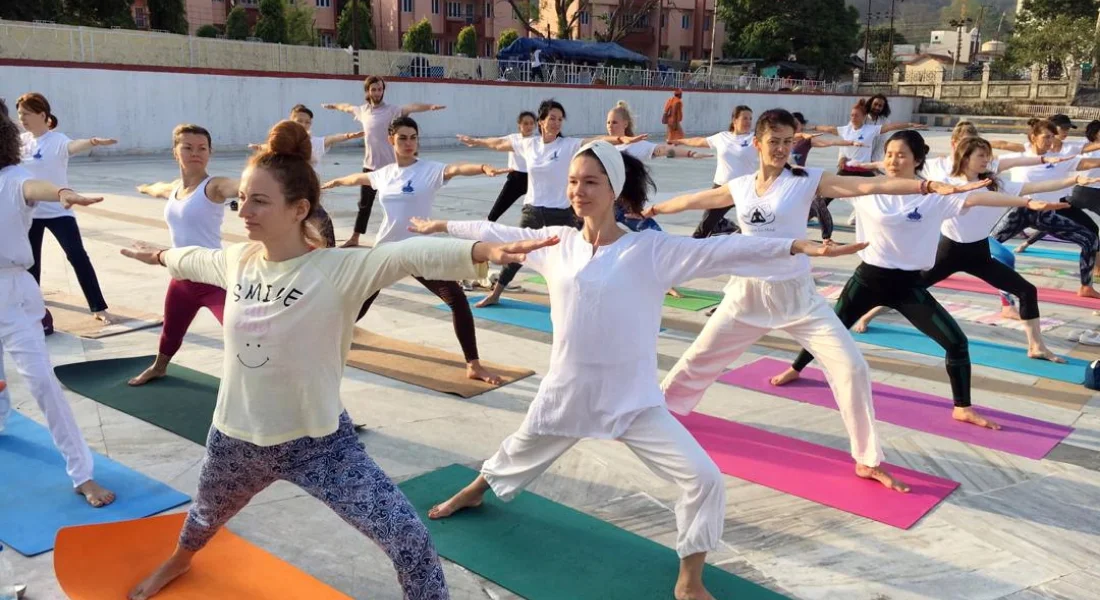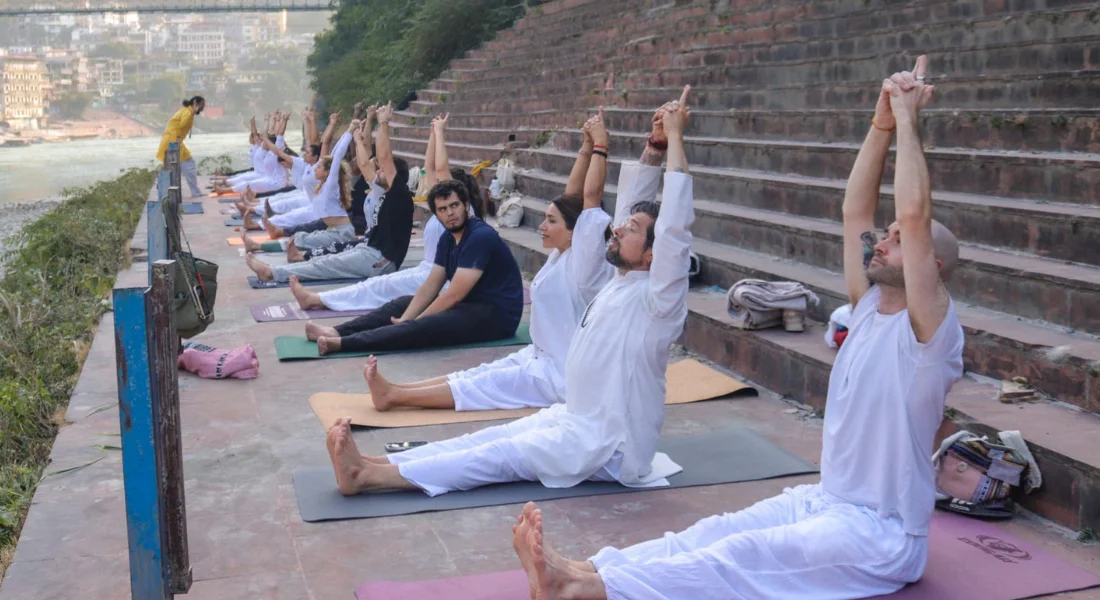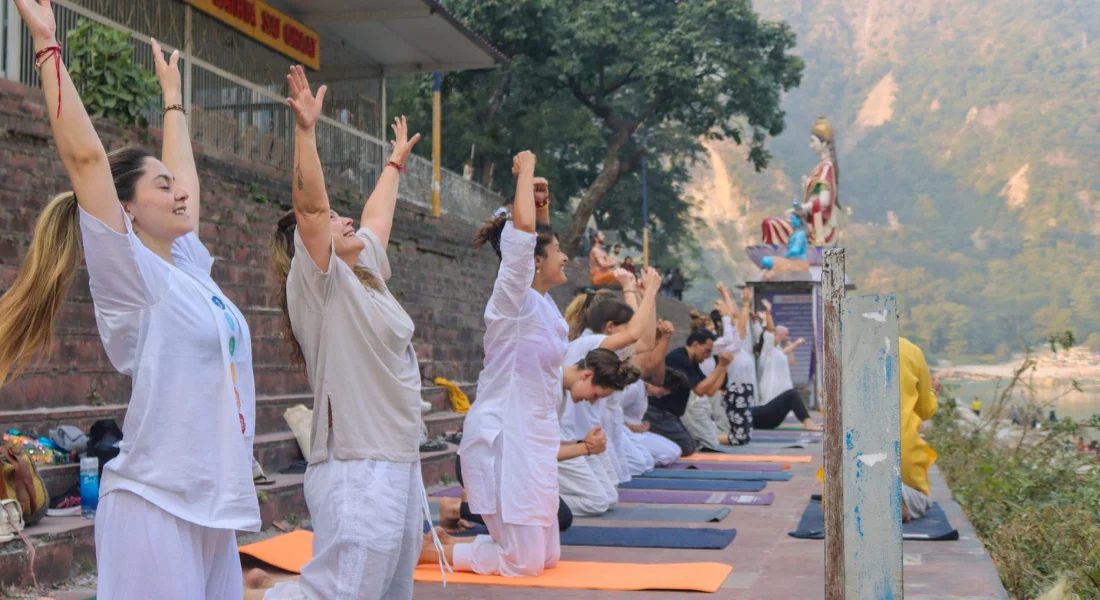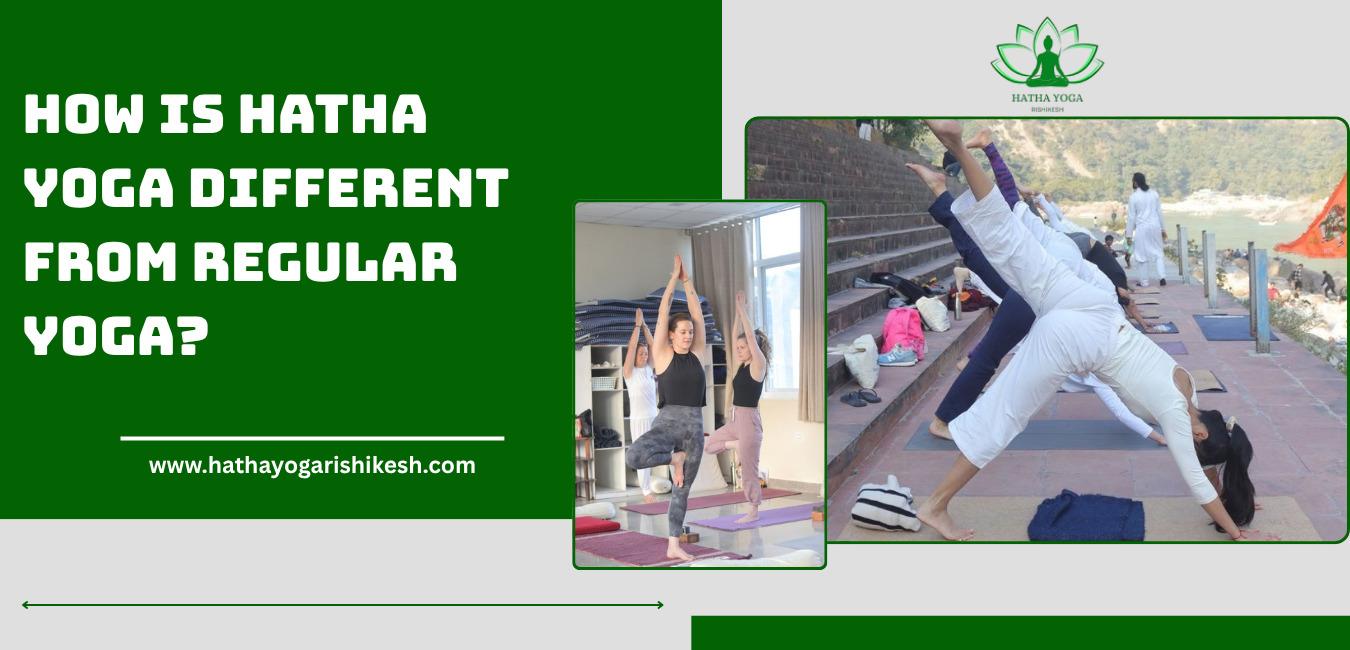
The quick answer is “regular yoga” doesn't exist as one type of yoga. There are various styles of yoga, including Hatha, Vinyasa, Ashtanga, Yin and Restorative Yoga, and yoga is a large practice. One traditional yoga style is called Hatha Yoga, which is when one practices slow yoga postures, breath, body control, and alertness without agitation.
For yoga beginners, this can be a factor in deciding the right yoga for you.
What Is Hatha Yoga?
What is Hatha Yoga? Traditional form of yoga combines postures, breathing, and relaxing. The word Hatha is usually associated with opposite energies being balanced.
Hatha Yoga tends to do the opposite of the more explosive/yoga types of yoga in which you move quickly to get in the same posture, holding it, breathing in sync and paying attention to the feeling of your body.
How Hatha Yoga Works
Hatha Yoga classes could involve:
Simple warm-up movements
Hatha Yoga poses
Controlled breathing
Short periods of holding poses
Relaxation
Meditation or quiet sitting
Awareness of body and breath
Therefore, it is appropriate to use as a starting point, the Hatha Yoga for beginners. It's not imperative that you shade lightning fast from one position to another.
What Does “Regular Yoga” Actually Mean?
It can be confusing when you hear the term ‘regular yoga'.
There is no common name for the yoga style, it's just called yoga. The term regular yoga can refer to a regular yoga class, which involves performing basic poses, doing some stretching, breathing and/or relaxing.
It may be slow, may be fast, some classes may be more active than others.
Different Yoga Classes Can Feel Very Different
For example:
Hatha Yoga often uses slow and steady movements.
Typically, Vinyasa Yoga is a connected movement and breath practice.
The Ashtanga Yoga is more systematic.
Yin yoga involves longer, passive holds.
Relaxation and support is an important aspects of restorative yoga.
Therefore, Hatha Yoga should not be looked at as yoga in and of itself. This is an important traditional method in the sphere of yoga as a whole.
Hatha Yoga vs Regular Yoga: What Is the Main Difference?
The main difference is the way they are practised.
Typically, the focus of Hatha Yoga is more towards each posture. You can hold one position for a number of breaths, prior to making the immediate transition up to the next position.
Yoga is practiced in many styles and may take a more or a less rapid pace, according to the teacher giving the class.
1. Speed of Movement
Typically, Hatha Yoga is slower and more restrained.
You may:
Move into a pose slowly
Stay there for a few breaths
Check your body position
Come out of the pose with control
There may be a more rapid pace if you're taking a general yoga class.
2. Focus on Each Pose
A crucial component of the practicing of the Hatha Yoga postures is tuning into the sensation of the body within the posture.
Instead of going through numerous poses, take more time to work on:
Alignment
Balance
Breathing
Stability
Body awareness
This can help take the worry out of beginners' Hatha Yoga.
3. Breathing Has an Important Role
Breathing isn't just an optional component of Hatha Yoga!
Pranayama can be used in between, in the midst of or after doing the physical practice. Controlled breathing can help you slow down and pay attention to the present moment.
In many general yoga classes breathing could be primarily to facilitate movement.
4. Holding Yoga Poses
Time in a posture is another difference - specifically, the time you spend in the pose.
Hatha Yoga poses are maintained for several breaths. This will allow you to know what will happen in the position before homing in on it.
For instance, if you are assigned to stay home, you will be asked to do so:
Tadasana
Trikonasana
Bhujangasana
Virabhadrasana
Paschimottanasana
Specific sequence will vary by class/teacher.
Why Do People Choose Hatha Yoga?
There are various reasons why people decide to join Hatha Yoga. Some have a desire for a gentle exercise, and some wish to build flexibility, strength, breathing, body awareness, or all of these.
Hatha Yoga Benefits for Everyday Life
Yoga benefits are made of regular and mindful practice of Hatha yoga.
The following are some of the benefits mentioned:
Better flexibility
Improved balance
Stronger muscles
Better body awareness
More controlled breathing
Support for relaxation
Improved posture
A calmer mind
The advantages of Hatha Yoga isn't just regarding stretching! Patience and awareness are further acquired in order to facilitate the practice.
To gain greater understanding of the benefits of Hatha Yoga, know when to come into the class or practice regularly rather than judge the results after class.
Is Hatha Yoga Good for Beginners?
Yes, at the initial stage, beginner's Hatha yoga classes may indeed be comfortable since they are inherently slower than other forms of yoga.
Why Hatha Yoga for Beginners can be easier.
A new beginner will find this helpful:
Explain poses step by step.
There's not as much rushing.
You can be aware while breathing.
Basic alignment is taught.
You can take time to observe your body.
However, everyone is unique. No one should ever do a pose for the sake of developing that pose just because another person can go deeper.
Popular Hatha Yoga Poses for New Students
There are numerous Hatha yoga postures available but for those who are starting to practice simple postures can be done first.
Easy Hatha Yoga Poses
Some helpful Hatha Yoga postures:
Tadasana: Helps you learn basic standing alignment.
Balasana: Provides a relaxed body position.
Bhujangasana: Opens front of body and activate back.
Vrikshasana: Tests balance and concentration.
Paschimottanasana: Provides a stretch to the back of the body.
The aim isn't to perfect all of the Hatha Yoga postures. The aim is to do steady breathing – improve awareness.
Hatha Yoga vs Regular Yoga: Which One Should You Try?
No single answer is applicable for everyone.
Think about what you want from your practice.
Select Hatha Yoga If You Want:
More relaxed yoga class.
More time in each pose
Better understanding of basic alignment
Breathing practice
A calm and focused class
A strong foundation for yoga
Someone who prefers the movements to be more relaxed and less hurried might be interested in Hatha Yoga.
A general yoga class may suit you if:
Feel the need for more variety
You enjoy flowing movements
You're looking for a quicker workout.
You want to try different yoga styles
You prefer changing poses more often
As always, “regular yoga” can have many definitions, so it is essential to find out which kind of yoga the class will be held in.
Can Hatha Yoga Be More Than Physical Exercise?
Yes. Flexibility of the body is not all of traditional Hatha Yoga.
It may contain the following:
Pranayama
Meditation
Relaxation
Concentration
Self-awareness
Yogic discipline
This is a broader practice and for many, is the reason they practise Hatha Yoga for many long years.
Learning Hatha Yoga in a Deeper Way
In case you are interested in teaching yoga or would like to know yoga in more depth, Hatha Yoga Teacher Training could offer you structured learning.
A Hatha yoga teacher training program may cover areas such as:
Yoga asanas
Pranayama
Meditation
Yoga philosophy
Anatomy
Teaching methods
Alignment and adjustment
If you wish to integrate yoga in life more fully, a Hatha yoga teacher training may provide a more full learning experience.
Hatha Yoga is slow, but it is not "easy".
This is a key point!
Some people believe that it is very easy since Hatha Yoga appears very slow. Maintaining correct body alignment, breathing, and concentration is difficult in posture.
The slow tempo allows you to develop with the pose, rather than rushing.
What one really does is not to compete with someone else. It is to know the way your body works.
Final Thoughts on Hatha Yoga and Regular Yoga
So how is the Yoga different from the regular one?
The common difference is the fact that Hatha Yoga is a traditional Yoga method and “ordinary Yoga” is a general term that may refer to numerous varieties of Yoga.
In Hatha Yoga generally, one concentrates on the postures, breathing, awareness and relaxation. It is helpful for individuals who wish to take it easy and establish, a strong foundation.
Regular: When practiced properly and safely, the Hatha Yoga benefits can help with physical and mental health. The hatha yoga teacher training program, for those who wish to take the practice further, can help people to develop in-depth knowledge.
Most importantly, the process of starting is not a process to be undertaken by the flexible, strong and experienced. Take slow breaths, move at a slow pace and give yourself time to listen
Yes, Hatha yoga teacher training can teach asanas, breathing, meditation, philosophy, alignment, and practical yoga teaching skills.

Leave a Comment
Our Yoga Teacher Training Course in Rishikesh, India
We assure - you will bring back home new knowledge, memorable and enjoyable experience with
you. "Job fills your pocket... Adventures fill your Soul...!"