Is yoga beneficial to neuropathy? It is among the most popular questions which people who have nerve pain, tingling, numbness, or burning pains in their hands and feet search. Both physical and emotional health can be impacted by neuropathy making even the simplest actions of everyday life challenging. Though drugs may be used to control symptoms, a growing number of individuals are seeking a natural remedy to neuropathy and yoga is proving to be an effective remedy.
Table of Contents
- Learning about Neuropathy and its causes.
- Typical Causes of Neuropathy.
- Symptoms to Be Wary of.
- The role of Yoga in treating Neuropathy.
- Improves Blood Circulation
- Helps the nervous system to be healthy.
- Reduces Chronic Pain
- Decreases Stress and Anxiety
- Promotes Mobility and Flexibility
- Why Yoga Is Considered a Natural Treatment for Neuropathy
- Holistic Healing Approach
- No Side Effects
- Long-Term Benefits
- The most appropriate yoga to alleviate neuropathy.
- Hatha Yoga for Gentle Healing
- Restorative Yoga for Deep Relaxation
- Yin Yoga to Stimulate Nerves.
- Chair yoga with Limited Mobility.
- Powerful Yoga Poses to treat Neuropathy.
- Standing Poses
- Seated Poses
- Lying Down (Supine) Poses.
- Inversion Poses
- The Role of Pranayama in Neuropathy
- Benefits of Pranayama
- Mind-Body Connection and meditation.
- Benefits of Meditation
- Beginning Your Yoga Classes.
- Beginner Tips
- Significance of consistency in Yoga.
- What Happens with Regular Practice?
- Healing environment and its effect.
- Nutrition and Lifestyle Interventions to Neuropathy.
- Nerve Healthy Diet.
- Stay Hydrated
- Sleep and Recovery
- Physical Activity
- Emotional conditions and Neuropathy.
- Emotional Benefits of Yoga
- Common Mistakes to Avoid in Yoga Practice
- When It is needed to see a Professional.
- Developing a Common routine.
- Sample Daily Practice
- Yoga has long-term benefits with Neuropathy.
- Physical Benefits
- Mental Benefits
- Overall Well-Being
- Conclusions: Does Yoga help with Neuropathy?
- Frequently Asked Questions (FAQs)
- 1. Is yoga good for neuropathy pain relief?
- 2. Is yoga permanent in curing neuropathy?
- 3. What type of yoga is best for neuropathy?
- 4. How much practice does yoga need for neuropathy?
- 5. Can yoga be considered safe in case of severe neuropathy?
- 6. Is yoga to be done by beginners to treat neuropathy?
- 7. When will you start to see results of yoga?
- 8. Does yoga practice promote nerve regeneration?
- 9. Is it possible to practice yoga at home to treat neuropathy?
- 10. What are the best yoga poses for neuropathy?
- Start Your Yoga Journey
Yoga is not a mere stretching exercise; it is an all-inclusive exercise that entails movement, breathing and mindfulness. It functions on the body, mind and nervous system all at the same time. To patients with neuropathy, yoga provides a safe, but effective means of enhancing circulation, alleviating pain and finding balance.
This step-by-step manual will show you how yoga works with neuropathy, the most appropriate practices to use and how to easily enter the world of yoga even when you are totally new.
Learning about Neuropathy and its causes.
Neuropathy, or peripheral neuropathy as it is sometimes called, happens when nerves become that are responsible for carrying signals between the brain and spinal cord to the rest of the body. They're the nerves that carry messages back and forth between your brain and spinal cord and the rest of your body.
Typical Causes of Neuropathy.
- Diabetes (diabetic neuropathy)
- Vitamin B deficiencies
- Injuries or trauma
- Autoimmune disorders
- Chronic alcohol consumption
- Infections or toxins
Symptoms to Be Wary of.
- Pins and needles/tingling.
- Numbness in hands or feet
- Sharp, burning, or stabbing pain
- Muscle weakness
- Sensitivity to touch
- Weakness and clumsiness.
These symptoms may be exacerbated with time, unless properly treated, and thus early lifestyle modifications, as yoga practice, can prove extremely helpful.
The role of Yoga in treating Neuropathy.
Yoga treats neuropathy on various levels such as physical, neurological and emotional.
Improves Blood Circulation
One of the main reasons for nerve damage is poor blood flow. Yoga poses aid in the stimulation of circulation, which means that nerves get an adequate supply of oxygen and nutrients.
Helps the nervous system to be healthy.
The nervous system is also stimulated and relaxed by yoga. Light exercises and breathing are beneficial to nerve conduction and sensitivity.
Reduces Chronic Pain
Regular yoga helps to reduce the perception of pain by releasing endorphins and soothing the centers of the brain that are involved in the perception of pain.
Decreases Stress and Anxiety
The symptoms of neuropathy may be aggravated by stress. Yoga practices include meditation and breathing which lower stress hormones.
Promotes Mobility and Flexibility
Neuropathy has a tendency to cause rigidity and impaired mobility. Yoga is beneficial in regaining flexibility and ease in movement.
Why Yoga Is Considered a Natural Treatment for Neuropathy
Yoga is able to address the underlying causes of the body imbalances unlike drugs that tend to address symptoms.
Holistic Healing Approach
Yoga does not differentiate between the body and the whole. It not only enhances physical health but also helps in emotional and mental health.
No Side Effects
Yoga is safe when done properly, and has no side effects as long-term drug use does.
Long-Term Benefits
There is no fast track with yoga, but it is a long term practice of life that will give long term successful outcomes when practiced.
The most appropriate yoga to alleviate neuropathy.
It is important to select the appropriate form of yoga to help in the management of neuropathy.
Hatha Yoga for Gentle Healing
Hatha yoga is all about slow and controlled movements and simple poses. It works best with beginners, when in pain or stiff. A lot of novices begin with organized courses such as Yoga for Beginners so that they can have a solid foundation.
Restorative Yoga for Deep Relaxation
In this style, cushions and blankets are used as props. It helps reduce tension and promotes deep relaxation.
Yin Yoga to Stimulate Nerves.
Yin yoga is one that requires longer periods of holding postures. It reaches deeper tissues and enhances circulation in the area of nerves.
Chair yoga with Limited Mobility.
Chair yoga can be a safe and effective alternative to those who cannot stand or balance up.
Powerful Yoga Poses to treat Neuropathy.
To the right poses can go a long way in alleviating symptoms.
Standing Poses
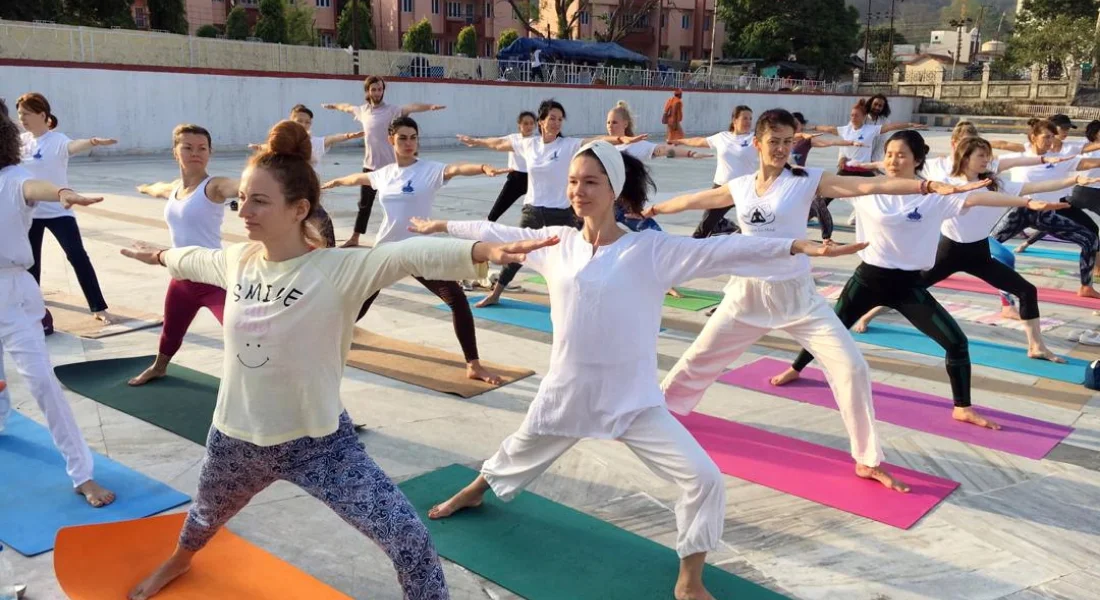
- Improve balance and coordination
- Strengthen leg muscles
- Enhance stability
Seated Poses
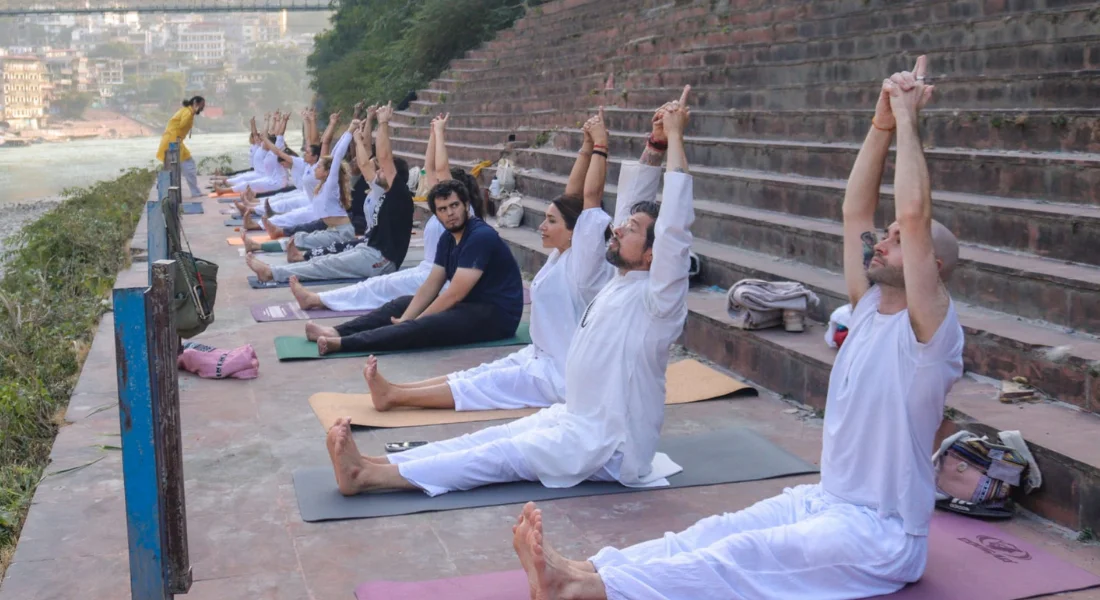
- Provide gentle stretching
- Lessen body stress.
- Improve flexibility
Lying Down (Supine) Poses.
- Promote relaxation
- Improve blood circulation
- Take off stress on nerves.
Inversion Poses
- Assist the blood circulation to the upper body.
- Lessen swelling of legs and feet.
The Role of Pranayama in Neuropathy
Pranayama breathing techniques are crucial in healing nerves.
Benefits of Pranayama
- Enhances the oxygen availability to nerves.
- Relaxes the nervous system.
- Lessens anxiety and stress.
- Enhances mental clarity
Simple breathing exercises are daily routines, and do not need any special equipment.
Mind-Body Connection and meditation.
Neuropathy is not merely physical but it also has an impact on emotional health. Meditation assists in generating awareness and minimizes psychological effects of chronic pain.
Benefits of Meditation
- Reduces pain perception
- Improves sleep quality
- Enhances emotional stability
- Promotes inner peace
Meditation and yoga are a great fit, forming a very effective healing plan.
Beginning Your Yoga Classes.
When you are new to yoga, you should begin at a slow pace, paying attention to your body.
Beginner Tips
- Start with the basic stretches.
- Practice for 15–20 minutes daily
- Focus on breathing
- Do not overexert yourself.
So you can attend guided classes such as drop in yoga classes to keep you going and to learn the correct techniques.
Significance of consistency in Yoga.
Consistency is one of the most significant factors of yoga. The little time spent will get some tangible benefits with regular practice.
What Happens with Regular Practice?
- Slow decrease in pain.
- Improved balance and coordination
- Better flexibility
- Enhanced mood and energy levels
The consistency is more powerful than intensity in dealing with neuropathy.
Healing environment and its effect.
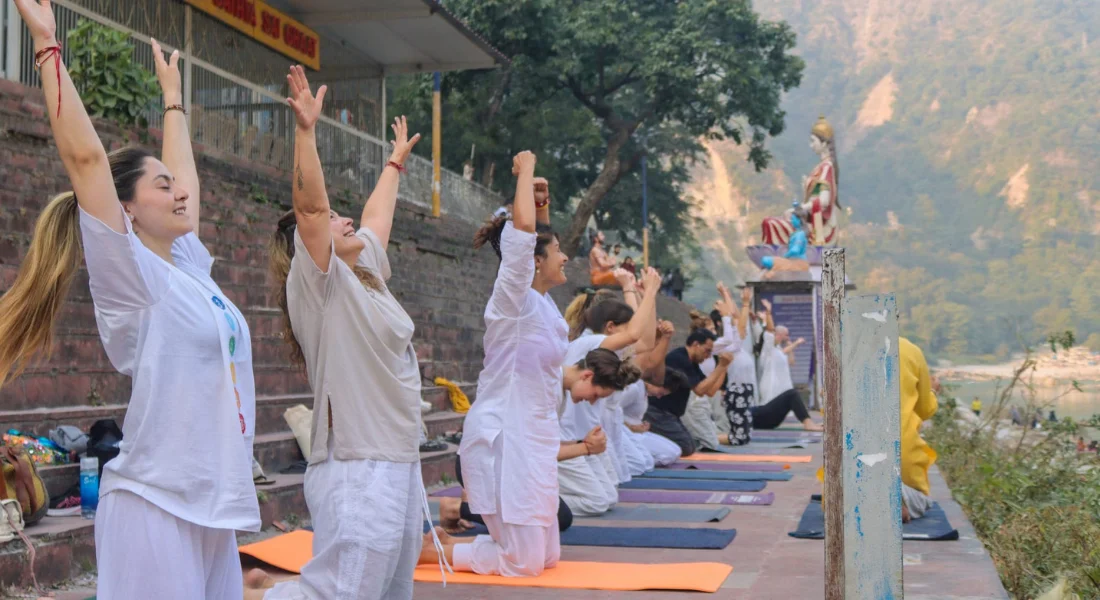
Your healing can be affected by the surroundings where you perform yoga.
Vision training in a relaxing and natural environment improves relaxation and concentration. That is why lots of people prefer yoga destinations where they can have a tranquil environment and heal more.
Yoga retreats such as 3 Days Yoga Retreat In Rishikesh are an exclusive experience where yoga, meditation and lifestyle converge to create a holistic healing process.
Nutrition and Lifestyle Interventions to Neuropathy.
Yoga is more effective in conjunction with healthy lifestyle practices.
Nerve Healthy Diet.
- Take foods that contain vitamins B1, B6, and B12.
- Consume fresh fruits and vegetables.
- Avoid processed and sugary foods
Stay Hydrated
Correct hydration aids in nerve functioning and health.
Sleep and Recovery
Sleep enables the body to rest and renew.
Physical Activity
Light exercise everyday aids in keeping the circulation and flexibility alive.
Emotional conditions and Neuropathy.
Chronic pain may impact mental health. Yoga makes it easier to cope with emotional difficulties through relaxation and self-awareness.
Emotional Benefits of Yoga
- Reduces anxiety and depression
- Improves mood
- Builds resilience
- Promotes a positive attitude.
Common Mistakes to Avoid in Yoga Practice
To achieve the best effect, do not commit the following mistakes:
- Stressing or straining is dangerous.
- Ignoring pain signals
- Omitting warming up or cooling down.
- Working without appropriate instructions.
Caution in practice is important to be safe and effective.
When It is needed to see a Professional.
Although yoga is a relatively safe practice, one should consult an instructor in case:
- You have severe neuropathy
- You are in great pain.
- You experience problems with balance.
An experienced teacher is able to adjust postures to your state.
Developing a Common routine.
A routine can be used to help you remain consistent.
Sample Daily Practice
- Gentle warm-up (5 minutes)
- Basic yoga poses (15 minutes)
- Breathing exercises (5 minutes)
- Relaxation or meditation (5 minutes)
This basic routine can be modified depending on how comfortable you are.
Yoga has long-term benefits with Neuropathy.
Yoga can result in lasting changes with practice.
Physical Benefits
- Reduced nerve pain
- Improved flexibility
- Good posture and stability.
Mental Benefits
- Lower stress levels
- Improved focus
- Better sleep
Overall Well-Being
- Increased energy
- Improved quality of life.
- Increased relaxation.
Conclusions: Does Yoga help with Neuropathy?
The reply is a resounding yes. Yoga offers a natural, safe and efficient means of symptom management and overall health. It acts by increasing the circulation, relaxing the nervous system, and bringing about body and mind balance.
Although it cannot fully treat neuropathy, yoga can greatly alleviate pain and enhance quality of life, in case of regular practice. Yoga can be entirely flexible and adaptable to everyone whether you are just beginning your practice or you want to enhance your practice.
With a combination of yoga and healthy lifestyle preferences and regular routine, you will be able to take significant steps towards neuropathy management and lead a more comfortable and balanced life.
Frequently Asked Questions (FAQs)
1. Is yoga good for neuropathy pain relief?
Yoga helps decrease neuropathy pain through its ability to enhance blood flow and its function as a nerve system relaxant and its capacity to reduce body swelling. Regular practice helps individuals reduce tingling and numbness and burning sensations while enhancing their complete physical and mental health.
2. Is yoga permanent in curing neuropathy?
Yoga does not treat neuropathy fully, but there is a great potential of managing the symptoms. It can be used as an effective complementary treatment in addition to medical care since with practice it improves nerve performance, lowers pain and also improves quality of life.
3. What type of yoga is best for neuropathy?
Soft types of yoga for example Hatha yoga, restorative yoga and Yin yoga are the most suitable for people with neuropathy. They emphasize slow movements, deep relaxation and increased circulation — all of which help those with nerve pain.
4. How much practice does yoga need for neuropathy?
Yoga practice for 20–30 minutes, 4–5 days a week may bring about significant changes. It’s a matter of consistency, because the more often you practice, the more the symptoms you experience will somehow be diminished on an ongoing basis, and your body will become that much stronger.
5. Can yoga be considered safe in case of severe neuropathy?
Yes, yoga is usually safe though it ought to be performed with caution. Individuals who have severe neuropathy are advised to select easy poses, stay without exertion and hopefully with the supervision of an experienced yoga teacher.
6. Is yoga to be done by beginners to treat neuropathy?
Absolutely. Simple stretches, basic poses and breathing exercises can be used as a beginning. A gradual beginning and training under supervision are the surest means of safety and the gradual development of confidence and adaptability.
7. When will you start to see results of yoga?
Others can experience improvements in just a few weeks, including less pain and improved sleep. Nevertheless, the effects may not be felt in the long run unless the condition is serious and this is after regular practices over a few months.
8. Does yoga practice promote nerve regeneration?
Yoga practice enhances nerve recovery through better blood circulation and lower stress levels and better oxygen delivery. While the process does not directly regenerate nerves, it establishes conditions which enhance nerve health and recovery.
9. Is it possible to practice yoga at home to treat neuropathy?
Yes, it is possible to practice yoga at home. Nevertheless, to prevent injury, the beginners are to be taught about the right techniques. After being guided or taught online can assist in ensuring proper posture and regularity.
10. What are the best yoga poses for neuropathy?
Even gentle poses such as Child's Pose, Tree Pose and Cobra Pose – plus the inversions like Legs-Up-the-Wall pose – can be extremely effective. When done properly and on a regular basis, these routine activities increase circulation, bring relief from stress and even alleviate nerve pain.
Start Your Yoga Journey
If you feel inspired to explore Ashtanga Yoga more deeply, you can join:
- 100 Hour Yoga Teacher Training in Rishikesh
- 200 Hour Yoga Teacher Training in Rishikesh
- 300 Hour Yoga Teacher Training in Rishikesh
- 500 Hour Yoga Teacher Training in Rishikesh
- 200 Hour Yoga Teacher Training Course With Sound Healing
- 200 Hours Ayurveda Yoga Teacher Training in Rishikesh, India
- 100 Hours Ayurveda Yoga Teacher Training in Rishikesh, India
- 3/5/7/10 Days Yoga Retreat in Rishikesh, India
- 7 Days Yoga Nidra Retreat in Rishikesh
- 7 Days Ayurveda Yoga Retreat in Rishikesh, India
- Drop-in Yoga Classes in Rishikesh
At Om Shanti Om Yoga Ashram in Rishikesh, you will experience yoga in its most authentic and traditional form.