Vajrasana Yoga: How to Do It, Benefits and Precautions
02 Nov, 2026
Do you feel heavy and sleepy after lunch? Many of us do. We eat, sit down on the sofa and soon our belly is full of air. Now think of a pose that you can do immediately after eating, at home and without a mat or practice. That pose is Vajrasana.
It is one of the easiest poses in yoga. In this blog, you will find out how to sit correctly, what kind of benefits it will bring to you and what to do if your knees and/or feet begin to hurt.
What Is Vajrasana Yoga?
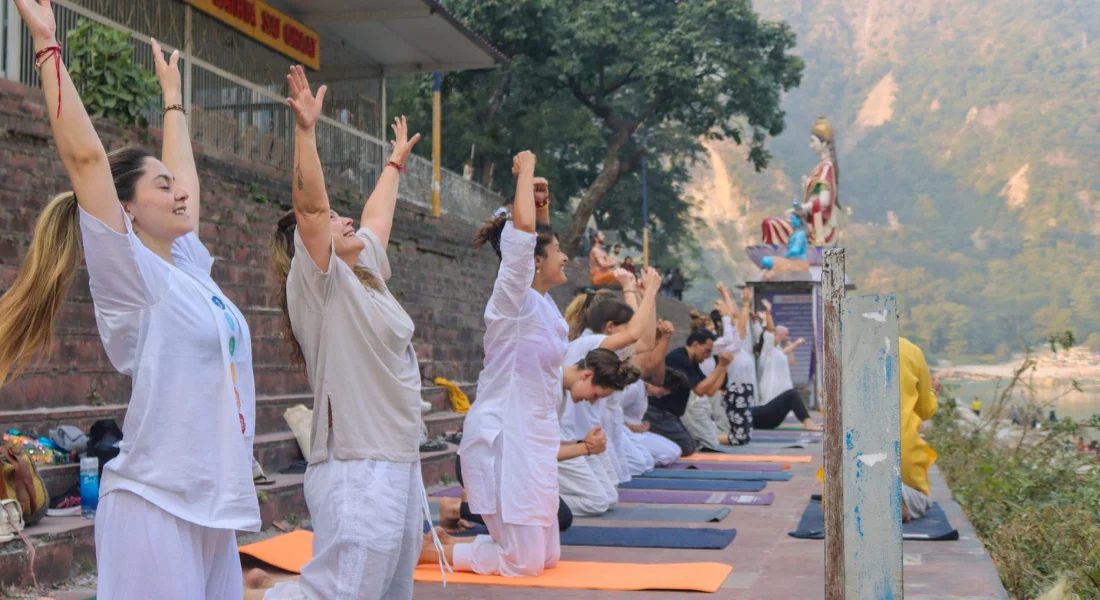
The word “Vajra” translates to thunderbolt and it also means diamond. Hence, this pose is also known as the Thunderbolt Pose or Diamond Pose. This is a pose in which you sit on the floor whilst kneeling on the floor with your back straight.
The name sounds like it has a lot of power, it is because the posture will make your body firm and steadfast, like a diamond. Vajrasana is one of the few yoga postures that is loved by teachers because it's a pose that may be taken immediately after eating. Most other poses need an empty stomach.
How to Do Vajrasana Yoga Step by Step
To know how to perform Vajrasana yoga properly, please follow the following steps:
Kneel on the floor. Keep your knees and feet together.
Point your toes straight back, with the tops of your feet on the floor.
Sit back gently until the hips sit on the heels.
Rest hands palms down on thighs.
Keep the back or neck straight. Look in front of you.
Close your eyes and breathe slowly through your nose.
Start at 1-2 minutes, then gradually increase this to 3-4. Gradually work up to 5–10 minutes.
How to Do Vajrasana in Yoga If Your Legs Hurt
The first steps actually might hurt your knee or ankle and some people's feet feel numb. Do not worry. This is the normal thing at the beginning, which you'll easily make fixable:
Knees hurt: Put an blanket or soft pillow between the hips and the heels.
Ankles hurt: Put a small rolled towel under your ankles.
Feet become numb or tingly: Exit the pose slowly. Extend your legs, and rock your feet. Remember: next time, sit for less time.
If pain is sharp, stop. Stretch is okay, but if it hurts, stop!
Vajrasana Yoga Benefits You Can Feel in Daily Life
Let's discuss the true benefits. No big promises shall be made. These are little things that everyone can see.
Benefits of Vajrasana in Yoga for Digestion
The most popular benefit is this one. After eating lunch or dinner, sitting in Vajrasana for 5-10 minutes can make you feel less heavy and less gassy. When you sit on your heels, your legs gently press the lower belly. It also prevents you from lying down immediately after eating, another big cause of acidity.
The practice of Vajrasana is not a cure for stomach ailments, but it's certainly an easy habit to adopt! For additional stomach-supportive yoga poses, check out our guide to yoga for gut health.
Vajrasana Yoga Pose Benefits for Back and Mind
Since you're sitting with your back straight, this position will help your body develop a tall sitting position. If you work at a desk, it is a good break from slouching on a chair. After a couple of slow breaths in this pose, a lot of people feel calm. Vajrasana is therefore a favorite seat for a meditation or prayer.
Other Small Benefits
Here are a few more Vajrasana yoga pose benefits:
Slowly pulls your legs, knees and ankles out.
It is safe and easy for most beginners and older adults, when done with care.
Benefits of Vajrasana in Yoga in One Line
Vajrasana can be considered as a "reset" button. Sit a little longer, breathe slowly, and everything calms down a bit in your body and mind.
Supta Vajrasana Yoga: The Lying-Down Version
When you can comfortably make it to the Vajrasana step, you can get an idea of this second step. The word "Supta" can mean "lying down" or "reclined". Supta Vajrasana yoga is performed starting in vajrasana and slowly lying back on the floor.
This is an extended front leg stretch of the chest, belly and thighs. However, it's more difficult than sitting pose. Not to be taken lightly.
How to Do Supta Vajrasana Yoga Pose Safely
Begin to sit comfortably for a few minutes in Vajrasana.
Hold hands behind back, by the hips.
Sit up straight back, and carefully lower yourself onto the elbows.
Soften the back, and sit back onto the floor if it feels good. If necessary, be sure to use a pillow under your back.
Place arms next to the body. Slowly breathe out for 10 - 20 seconds.
To come out, push your elbows into the floor and slowly lift your chest.
Caution – do not rush Supta Vajrasana yoga pose. The knees, lower back or ankles getting "stretched" is a sign that you are overdoing it; return to the sitting position and ask a teacher to help you out.
Yoga Poses Vajrasana Can Prepare You For
The sitting pose stretches out the legs and hips over time. Other popular yoga poses that Vajrasana students prefer, such as Virasana and Balasana make these poses more accessible. When hips are tight, it is also recommended to do another gentle seated posture - Butterfly Asana.
Precautions: Who Should Be Careful?
Vajrasana is easy, but not suitable for everyone. Cautions: If you:
have a knee injury or recent knee or leg surgery
have ankle pain or an ankle injury
experience intense pain in the back or legs
Are pregnant (use a cushion on knees apart or ask your teacher)
Have a hernia or or any major stomach issue.
Reduce the activity if pain is felt and is strong.
Common Mistakes to Avoid
Many people ask how to do Vajrasana in yoga without pain. Start by avoiding these mistakes:
Slouching: Maintain a straight back and an open chest.
If the hips do not reach the heels, use a cushion (forcing the pose).
Sitting too long, too soon: Progress to 1 or 2 minutes initially.
Breathe slowly and normally: Holding your breath.
A Simple Daily Plan
Morning: 2 minutes of slow breathing in Vajrasana
After lunch: 5 minutes of quiet sitting
After dinner: 5 to 10 minutes, instead of lying down on the sofa
Pair it with something you are already doing such as finishing a meal.
Final Words
Vajrasana is proof that yoga is not difficult. Vajrasana yoga benefits become conspicuous after a few minutes every day, and of all the yoga asanas, Vajrasana is incredibly easy to begin with. You will feel lighter after meals, calmer in mind and sense, with a straight back and a few calm breaths. Do small steps, be gentle on your knees, and allow your body to adapt
It is important to become comfortable with the sitting posture before starting with the beginner pose. Only attempt the lying version with a teacher's assistance.

Leave a Comment
Our Yoga Teacher Training Course in Rishikesh, India
We assure - you will bring back home new knowledge, memorable and enjoyable experience with
you. "Job fills your pocket... Adventures fill your Soul...!"