Do you feel tired, heavy or stressed most days? The word “Detox” today is all around: juices, powders, teas and quick cleanses. However, there is an old and sensitive method of resetting the body in India. It is known as Panchakarma.
Here in this blog you'll discover what it is, what it does step-by-step, and what sizable benefits you can realistically obtain from it. You will also get to learn how yoga fits in so that you can start your road to wellness with a clear thought.
Ayurveda is the traditional health system of India. The meaning of the word itself is "science of life. Panchakarma is from the two words, namely "pancha", which means five and "karma" which means action or treatment. So, Ayurveda Panchakarma is the five cleansing therapies which get performed as the steps under the guidance of an Ayurvedic physician.
It's not a simple solution. A planned programme that typically takes between a few days, usually massages, steam, special food and rest.
According to Ayurveda, the food eaten incorrectly, the poor sleep as well as the problematic stress produce a kind of sticky waste in the body. It is called "ama". Consider the dust that gradually begins to accumulate on a ceiling fan. The fan is running, although it's not as efficient.
Panchakarma attempts to clean this dust. In addition, according to Ayurveda, each and every person has an amalgamation of three body energies–Vata, Pitta and Kapha. But prior to the treatment, the doctor evaluates body type, habits, health and then a treatment plan set up just for you.
According to many websites, Panchakarma removes all toxins. Let's be fair. According to modern science, you already have a day-to-day scientific liver and kidney cleansing in your body. There is limited research conducted regarding Panchakarma, and it is impossible to say that these therapies are able to detoxify toxins.
Some people do report a feeling of lightness, improved levels of sleep and calmness. This could be the effect of the rest, the oil massage, or just the food and the lack of stress in daily life. It's important to view it as a reset rather than a cure and to view it as a body and system reset, not a workout.
There should be three parts to a good program. Without taking any of them, it's like making a dish but not eating it.
It takes a couple of days for this part. You receive a warm oil massage as well as a delicate steam bath. The only food you eat is easily digestible, and occasionally you consume a spoonful of medicated ghee. Have the body ready for the main treatments, in soft condition.
Here are the 5 most common treatments:
Please Note: Most do not receive all 5. Just what the body requires is selected by the doctor.
Vamana, Virechana and Basti are powerful medicines. These are only allowed to be performed in a suitable centre under the supervision of a qualified doctor. Do not use at home.
Body fatigue and sensitivity follow the treatments. We have been on a light diet, such as khichdi, and taking a good deal of rest for some days. If so, slowly introduce your regular food and schedule back on. Do not hurry this step, which helps to preserve benefits.
The average time for most full courses is 7-21 days. Some centres provide short 3-5 day programs which are less intense. A typical day might be morning treatment a small meal and then rest, and an early evening stroll or relaxed yoga class.
Wellness Ayurveda isn't simply a single treatment. It's about positive lifestyle changes that stick. Following a good programme, people may feel:
However, it will not cure serious illness and won't shorten weight. B
Both yoga and ayurveda were a gift from the people of India and both aim at balance between the body and mind. Ayurveda treats the body through diet, herbs, and treatments. Yoga takes care of it with asanas, breath and on a calm mind. These can be considered as two sisters helping each other.
This is the reason that many good centres provide ayurveda yoga courses which combine the two. Cleans and rests with treatment, light and moving with yoga.
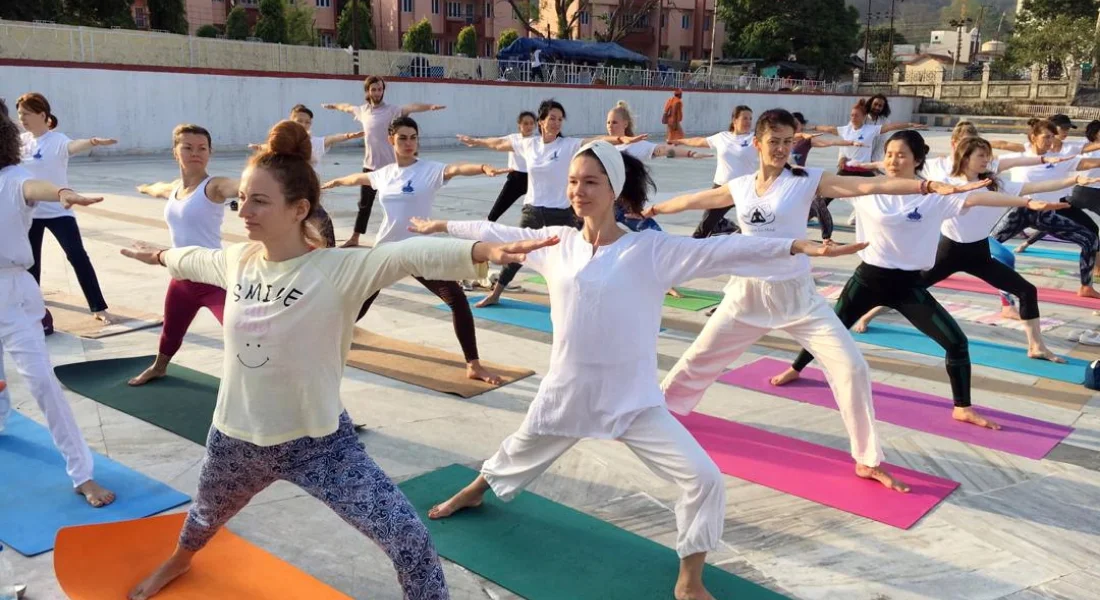
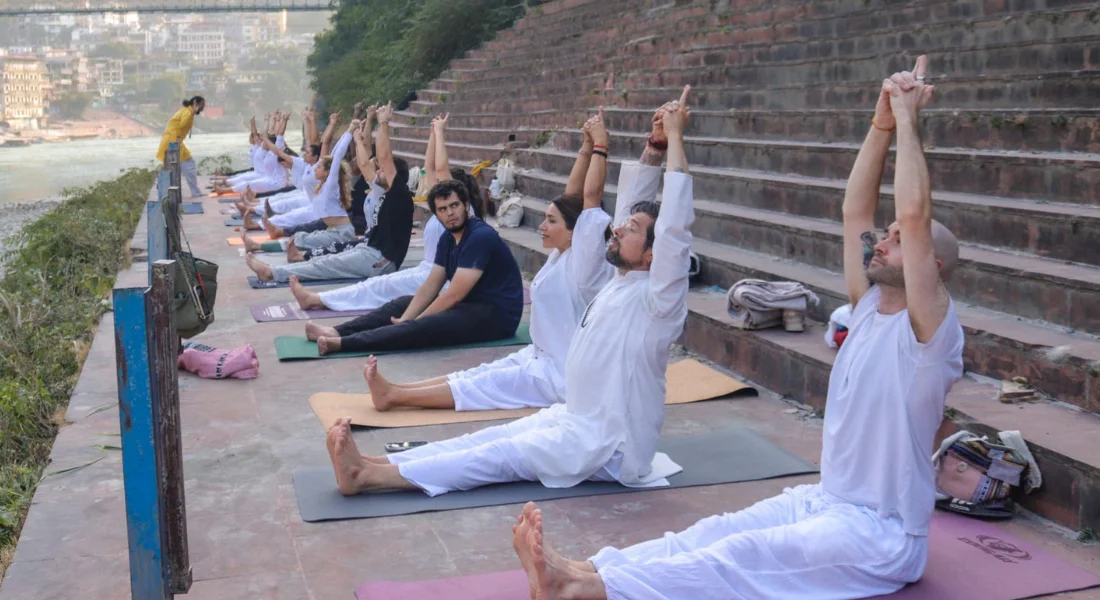
During this time your body is sensitive, so choose gentle poses only:
These Ayurveda yoga asanas are slow & gentle. During the treatment be careful of hot, fast or hard yoga, long headstands. If slow, supported poses are better, follow our article on restorative yoga.
This journey is characterised by lots of quiet hours. Simply rest in a relaxed position and focus on calming your breathing for 5-10 minutes. If your thoughts wander bring them back, delicately. Ayurveda yoga meditation helps most during the rest days, when your body is healing. For deeper relaxation you can follow our guide with “Yoga Nidra for sleep”.
Both sciences have originated in India. Rishikesh is named as the world's yoga capital and Kerala is well-renowned for its ayurvedic centres. In fact, this is the reason a lot of individuals opt for yoga courses at Ayurveda Yoga India. During one journey, they receive treatment and yoga, and they have a quiet area to rest.
Panchakarma is not for everyone. Please speak with your doctor first if you:
Ayurveda Panchakarma can be a gentle and thoughtful way to rest and reset, when it is done under a qualified doctor. It is not magic, but it can teach your body and mind a healthier rhythm. Add some ayurveda yoga practice, like soft poses and quiet breathing, and you give yourself the best chance to feel good after you return to normal life

We assure - you will bring back home new knowledge, memorable and enjoyable experience with
you.
"Job fills your pocket... Adventures fill your Soul...!"